
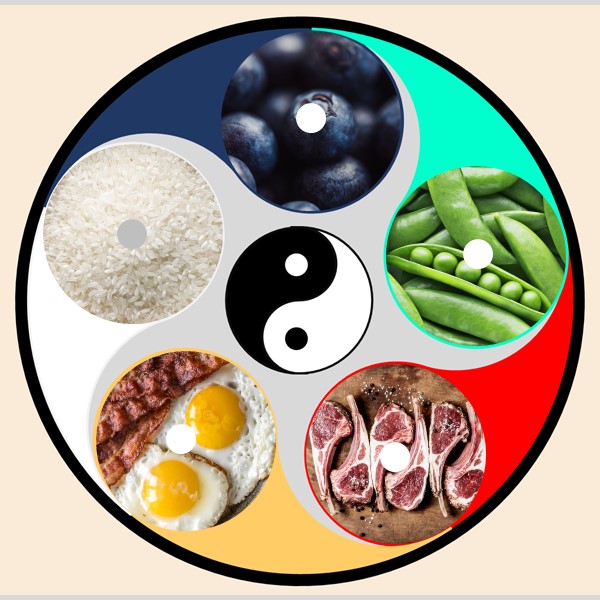
From the Total Life Energy perspective, food is not just calories or nutrients—it’s a source of vital energy that affects your body, mind, and spirit. This energy, known as Qi in Traditional Chinese Medicine (TCM), determines whether food truly heals or harms.
Why Food Energy Matters More Than Nutrients
Modern nutrition breaks food into isolated nutrients like proteins, vitamins, and carbohydrates. But in traditional medicine, what matters most is how a food interacts with your energy system. Every food has a nature—warm or cold, drying or dampening, strengthening or weakening. These energetic properties shape how your body responds.
A bowl of cold cereal and a bowl of warm congee might have similar calories, but their effects on your digestion and life force are worlds apart.
Food Energy Is About Movement—Not Math
Energy from food isn’t about how much you consume. It’s about whether your body can transform it into vitality. From the traditional perspective, energy moves through the body via meridians and organ systems. When food disrupts that flow, even “healthy” meals can cause stagnation, fatigue, or internal cold.
That’s why certain raw vegetables, cold smoothies, or so-called superfoods can leave people feeling bloated, sluggish, or even emotionally drained—because the food’s energy clashes with the body’s needs.
Understanding the Five Energies of Food
In TCM, foods are classified by five energetic qualities:
- Cold – e.g., cucumber, watermelon
- Cool – e.g., spinach, tofu
- Neutral – e.g., rice, carrots
- Warm – e.g., chicken, sweet potato
- Hot – e.g., garlic, lamb
A person with internal cold and weak digestion needs warm or hot foods to build energy. If they eat cold or cooling foods, it may suppress their digestive fire, weakening their whole system over time.
Why Your Organs Feel the Energy First
Each organ system responds to the energetic nature of food:
- The Spleen and Stomach (digestive fire) suffer when overcooled
- The Kidneys are weakened by excess fluids and cold foods
- The Liver is disrupted by sharp, dry, or overly spicy foods
- The Lungs are affected by excessive dampness or mucus-producing foods
That’s why it’s not enough to avoid sugar or count macros—you must match food energy with your body’s condition. Otherwise, you risk creating long-term imbalances, no matter how clean your diet looks on paper.
What Happens When Food Energy Is Ignored
Ignoring food energy can lead to:
- Cold hands and feet
- Digestive upset despite “healthy” eating
- Fatigue or brain fog after meals
- Bloating or water retention
- Chronic phlegm or coughing
- Hormonal irregularities
These are not signs of poor discipline—they’re signs your food is disrupting your internal energy system.
From Energy Imbalance to Real Illness
When food energy consistently works against your constitution, imbalances deepen. Cold accumulates in the digestive system, leading to poor absorption. The Kidneys grow weak, reducing your life force. The Liver becomes stagnant, affecting emotional stability.
This can eventually show up as chronic fatigue, infertility, depression, and even serious diseases—all because the body is no longer nourished energetically.
The Total Life Energy Approach
We don’t just look at calories or nutrients—we assess whether your food supports your entire energy network. The goal is simple:
Eat in a way that strengthens your organs and restores your energy circulation.
For most people, this means:
- Warming, cooked foods
- Seasonal eating based on your constitution
- Avoiding extremes (raw, frozen, overly processed)
- Using food-based herbal teas like Si Shen Tang to strengthen digestion
When you align food with energy, healing happens naturally.
🌿 Final Thought
Food is not fuel. It’s medicine—or it’s poison—depending on how it affects your internal energy. The next time you eat, ask not just “Is this healthy?” but “Does this nourish my body’s energy?”
Your body knows the answer. You just have to listen.
Start the Life Energy Diet to really nourish your life! For immediate help, here is The Five Simple Steps to Start the Life Energy Diet.