Is Modern Nutrition Misleading?

In today’s world, nearly everyone believes in the concept of “nutrition” — calories, vitamins, minerals, and macronutrients carefully calculated and tracked. But is modern nutrition truly the path to better health and vitality? Or is it misleading us away from the real sources of nourishment?

The Birth of Modern Nutrition

Modern nutrition, as we know it, began with reductionist science: breaking down food into isolated components like carbohydrates, protein, and fat. Later, vitamins and minerals were added to the list, along with fiber and antioxidants. While this approach helped cure extreme deficiencies like scurvy or rickets, it created a false sense of understanding that still misleads people today.

Modern nutrition assumes that human health can be engineered by counting molecules and supplementing what’s missing. But real human vitality is far more complex — and deeply rooted in life energy, not just lab measurements.

The Problem with Nutrient Numbers

Have you ever eaten a “balanced” meal and still felt tired, cold, bloated, or mentally foggy? That’s because your body isn’t just a machine that runs on nutritional data. It’s a living, breathing energy system.

According to traditional medicine, especially systems like Traditional Chinese Medicine (TCM), food is classified by its energetic effects on the body — warming, cooling, drying, moistening, strengthening, or weakening. For example:

  • Spinach may be rich in iron, but its cold nature can weaken digestion in someone with low yang energy.
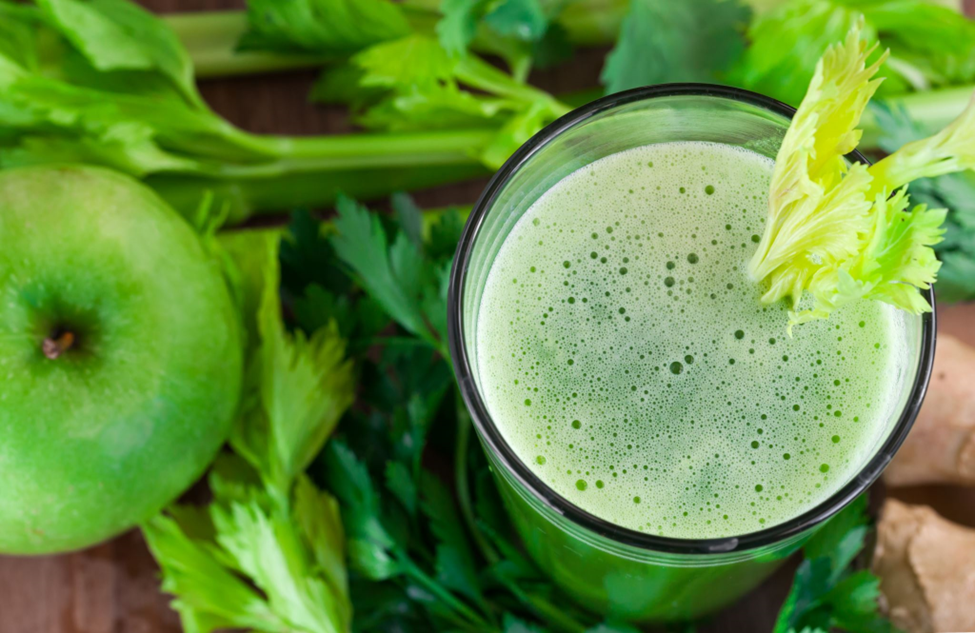
  • Raw juice might deliver “vitamin C,” but it can also deplete the stomach’s fire and lead to bloating and fatigue.

No amount of isolated nutrients can replace the wisdom of choosing food based on how it supports your whole energy system.

Supplements: A False Solution?

When studies show a certain diet is “lacking,” modern nutrition recommends supplements: vitamin B12, iron pills, protein powders. But do synthetic or extracted nutrients really nourish the body the same way as whole, energetically rich foods?

Most supplements are poorly absorbed, and many tax the liver and kidneys. Some may temporarily improve blood test numbers, but do they restore life force, warmth, and vitality?

True nourishment happens when food supports the body’s energy and organ systems, not when we try to patch deficiencies with pills.

👉 Want to learn more? Read my post: Do You Believe in Nutrition?

How the Body Really Absorbs Nourishment

Real healing comes from food that aligns with your body’s energy needs. In traditional medicine, the digestive system — especially the Spleen and Stomach — needs warmth, stability, and rhythmic support. Food that is too raw, cold, or processed can damage your digestion, even if it’s labeled “nutrient-dense.”

Life energy comes first. Without a strong energy system, the body cannot extract or utilize even the most perfect blend of vitamins and minerals. This is why people with weak digestion often suffer from fatigue, poor immunity, or nutrient deficiencies — no matter how clean or “healthy” their diet appears.

Are We Nourishing the Numbers or the Person?

Modern nutrition misleads by reducing food to math and molecules. But true nourishment is about supporting your whole self: body, mind, and spirit.

Ask yourself:

  • Am I choosing food based on numbers or how it makes me feel?
  • Is this food strengthening or draining my energy?
  • Am I following expert advice, or tuning in to my own healing response?

Your body is not a spreadsheet. It’s a self-healing miracle — when you give it the right kind of support.

What to Do Instead

  • Choose foods that are energetically warming, especially if you’re cold, tired, or living in a cold climate.
  • Avoid over-relying on raw, juiced, or overly processed foods—even if they’re trendy.
  • Use herbs and warming spices like ginger, cinnamon, and garlic to support digestion.
  • Stop treating your meals like chemistry experiments and start honoring them as rituals of healing and replenishment.

In Conclusion: Is Modern Nutrition Misleading?

Yes, it can be — when it leads us away from our body’s intuitive wisdom, when it ignores the energetic nature of food, and when it promises health through numbers instead of nourishment.

Let go of the formulas and fads. Reconnect with real nourishment — not just for the body, but for your whole life energy. Check out the Total Life Energy Plan and eat for life!

The Weight Problem Paradox — Why Dieting Makes It Worse

Why Diets Fail—and Can Actually Make You Gain Weight

In a world flooded with weight-loss programs, meal plans, and fat-burning supplements, obesity continues to rise.
Why? Because most diets are built on flawed foundations that don’t support our body, its life, and long-term health.

Continue reading “The Weight Problem Paradox — Why Dieting Makes It Worse”

Eating by Nutrition Can Harm – How Your Nutritionist Makes You Nutrition Deficient

Eating by Nutrition Can Harm the Digestive System

The digestive system is the foundation of your health—responsible for breaking down food, extracting nutrients, and delivering energy to every part of the body. Yet many modern “healthy” diets, while praised for their nutritional content, unknowingly harm this vital system. In this blog post, we’ll concentrate on how Modern diet, including eating by nutrition, can harm the digestive system.

Let’s break it down:

  1. Emulsifiers in Processed Foods:
    Commonly found in sauces, dressings, and packaged items, emulsifiers can erode the gut lining and contribute to leaky gut syndrome.
  2. Sugar and Artificial Sweeteners:
    Excessive sugar—especially from artificial sources—stresses the spleen and pancreas, disrupts gut bacteria, and leads to bloating, fatigue, weight gain, and skin issues.
  3. Overly Nutrient-Dense Foods:
    Ironically, foods considered “super healthy” can overload and weaken the digestive system. When your digestive power is low, even highly nutritious foods become a burden rather than a benefit.
  4. Excessive Fiber Intake:
    Though fiber is often celebrated for gut health, too much can impair digestion—especially in people with weak or damaged digestive systems. High-fiber diets may cause indigestion, loose stools, constipation, and long-term digestive dysfunction.

Beyond food, stress—whether from a hectic lifestyle, emotional pressure, or rushed eating—further weakens the digestive system. It disrupts the gut-brain axis and can lead to conditions like IBS, ulcers, or chronic inflammation in organs like the stomach, spleen, and intestines. Skipping meals or eating on the go without proper chewing also compounds the problem.


How to Heal

True digestive healing starts with the right foods—and more importantly, the right philosophy. That means:

  • Avoiding foods that pressure and deplete your digestive energy (like high-fiber “health” foods and overly processed snacks).
  • Embracing warm, easy-to-digest, life-energy-rich meals made from fresh, natural ingredients.
  • Building long-term eating habits that restore and protect your digestive strength.

My book, Total Life Energy Plan, includes a dedicated chapter on how to rebuild your digestive function—step by step.

As you continue through this blog series or watch our videos, you’ll discover more about the often-ignored harms of eating by nutrition and how to reclaim a sustainable, energy-supporting way of eating.

Life Energy in Food: Why Modern Diets Leave You Feeling Drained


The Silent Energy Crisis in Modern Eating

You may be eating “clean”—organic, low-carb, even plant-based. But if you still feel tired, foggy, or emotionally flat, you’re not alone.

The problem? Most modern foods lack Life Energy—a vital force that sustains life, vitality, and resilience. Without it, food may fill your stomach but leave your body depleted.

Continue reading “Life Energy in Food: Why Modern Diets Leave You Feeling Drained”

When “Healthy” Diets Do More Harm Than Good

In the past few decades, countless “healthy” diets have taken the world by storm—low-fat, low-carb, keto, Mediterranean, plant-based, and more. They promise weight loss, longevity, and freedom from chronic disease. But despite these claims, we’re seeing more obesity, digestive issues, autoimmune disorders, and chronic fatigue than ever before. Is it possible that many of these trendy “healthy” diets are actually doing more harm than good?

Continue reading “When “Healthy” Diets Do More Harm Than Good”

The Hidden Pitfalls of Popular Diets and Wellness Programs: How They Can Diminish Our Life Energy

In our pursuit of health and wellness, we often gravitate towards popular diets and wellness programs that promise transformative results. From detox cleanses to restrictive eating plans, these trends captivate us with their claims of weight loss, improved vitality, and overall well-being. However, beneath the surface, some of these approaches may unintentionally diminish our life energy—the vital force that sustains our physical, emotional, and spiritual health. Let’s explore how this can happen and what alternatives we can consider.

Continue reading “The Hidden Pitfalls of Popular Diets and Wellness Programs: How They Can Diminish Our Life Energy”

Can Juicing Be Bad for You? Understanding the Hidden Dangers of Raw Juice Detox

WIn today’s health-conscious world, juicing has become a go-to practice for those seeking quick detox, weight loss, or clearer skin. Influencers and wellness programs promote raw fruit and vegetable juices as miracle solutions. But can juicing be bad for you?

The answer, surprisingly, is yes. Without fully understanding the effects on the body, many people end up doing more harm than good.

Continue reading “Can Juicing Be Bad for You? Understanding the Hidden Dangers of Raw Juice Detox”

The Hidden Dangers of Water Detox: When Too Much Water Can Harm Your Health

Intro: When Detox Becomes Dangerous

Today’s health culture glorifies water as a universal detox. Influencers and “experts” often advise drinking one gallon or more of water per day.

But this can seriously damage your health—especially if your body is already struggling with dampness or yang deficiency.

Let’s explore why overhydration can be toxic, and how to listen to your body before following modern water trends.

Continue reading “The Hidden Dangers of Water Detox: When Too Much Water Can Harm Your Health”

Your new year’s resolution may harm your body and health

Many people want to accomplish their goals, make more progress, and improve their life at the start of a new year! They make new year resolutions, and one of the most popular ones is getting into better shape and health, they may decide:

  • Lose, gain, or maintain weight. 
  • Adopt a new workout plan.
  • Meal prep weekly.
  • Amp up cooking skills.
  • Be more productive.
  • Wake up early. 

Every January, you see more people:

  • Exercise in the gym, on the street, or on a ski trail.  
  • On a diet and eat only foods that are deemed to be healthy and helpful with weight and other health problems. 

But they don’t realize that they may start them at the worst time of the year!

Continue reading “Your new year’s resolution may harm your body and health”

Why are you so ill?

This is sad a few weeks for me:

  • The husband of a close friend passed away.
  • The husband of a lady in our healing group passed away. 

Both died at a young age: 61 and 58 respectively. The first one died of cancer while the other from heart attack.

After numerous accounts of people near me passing away or suddenly falling ill, I feel that I’m obligated to write a post to warn people to care for their health now and in the right way to prevent this from happening to them.

The people from western countries used to have the reputation of strong and healthy bodies in the world. But now things are totally changed: the majority of them, especially those from the US and UK, are overweight, fatigued, ill, or even bedridden. What’s going on? It’s much more than just about the diet, exercise, and mental health.  They:

Continue reading “Why are you so ill?”