Summer Should Feel Amazing: The Forgotten Wisdom of Seasonal Living

Summer is often called the season of sunshine, vitality, and abundant life. The days are longer, gardens are flourishing, and nature seems full of energy. It should be the easiest time of the year to feel healthy.

Yet for many people, summer brings an entirely different experience.

Instead of feeling refreshed, they become irritable. Instead of sleeping soundly, they toss and turn through hot nights. Some struggle with excessive sweating, overheating, fatigue, digestive discomfort, skin irritation, joint stiffness, or unexpected weight gain. What should be the season of renewal becomes another season of discomfort.

Why does this happen?

Is summer itself the problem?

Or have we forgotten how to live with the season?

Many modern health approaches focus on treating individual symptoms after they appear. Traditional wisdom takes a different approach. It begins by asking a deeper question:

How can we live in harmony with nature so that health is supported before problems develop?

That is the purpose of this Summer Care Series.

Over the coming weeks, we’ll explore common summer health challenges and discover practical ways to support the body’s natural ability to heal through seasonal living, wholesome food, appropriate exercise, and healthy daily habits.

The journey begins with a simple but powerful truth:

Health is life energy in abundance.


Welcome to the Summer Care Series

Welcome! I’m Julia Sun, and I’m delighted you’ve joined me for this journey toward healthier seasonal living.

For thousands of years, people understood that every season influences the body differently. They adjusted what they ate, how they worked, when they rested, and how they exercised according to nature’s changing rhythms. These simple practices helped generations maintain health long before modern conveniences existed.

Today, many of us live almost exactly the same way every day of the year. We eat the same foods, keep the same schedules, exercise the same way, and rarely consider how the changing seasons affect our bodies.

The result is often unnecessary discomfort.

The Summer Care Series is designed to help you reconnect with these timeless principles in a practical, easy-to-understand way. Whether your goal is to prevent common summer health problems, improve your daily energy, or simply enjoy the season more fully, this series will provide guidance rooted in traditional wisdom and everyday habits.

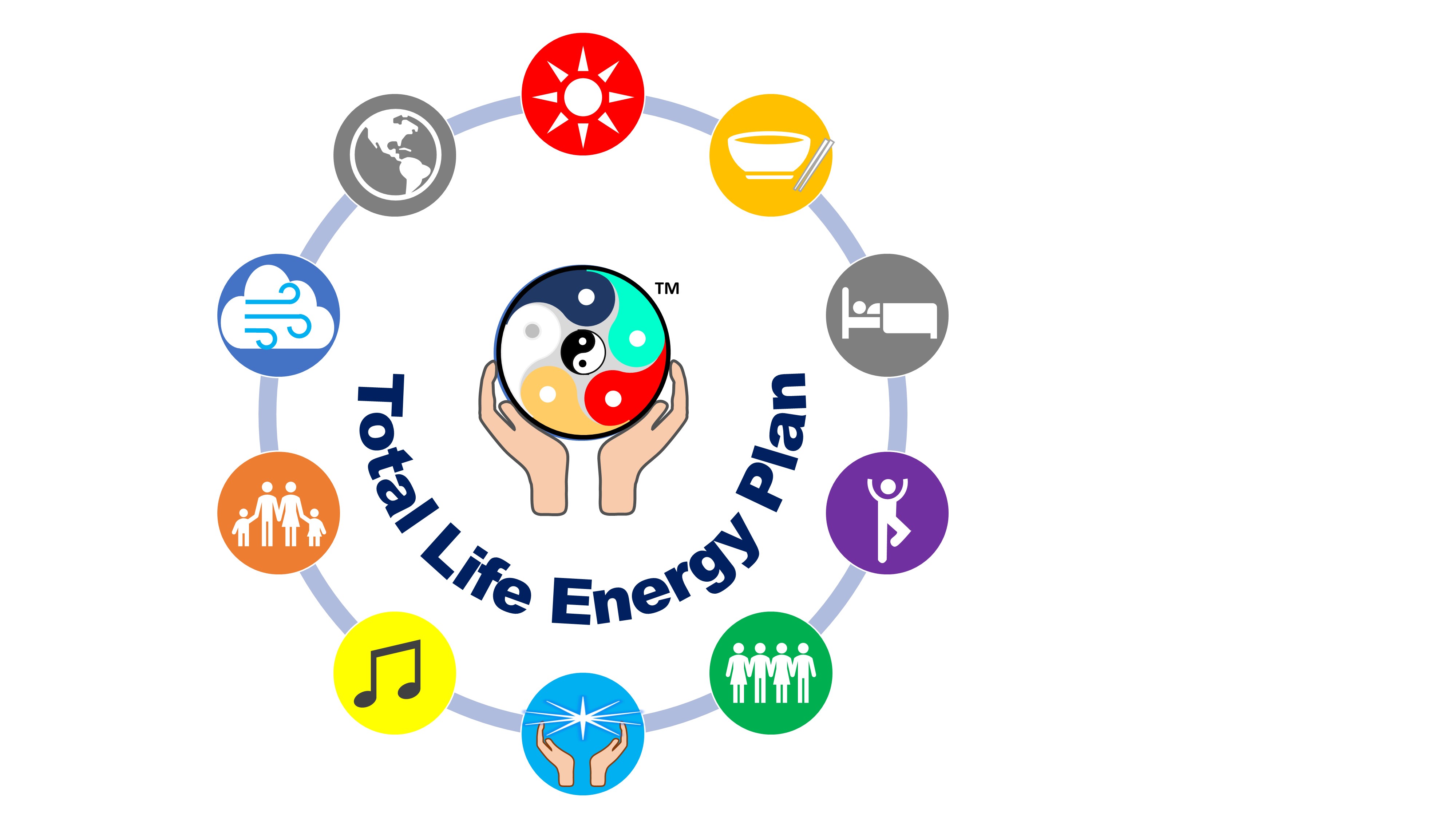
Each week, we’ll focus on one common summer health challenge and explore solutions through the three pillars of the Total Life Energy Plan:

  • Life Energy Diet
  • Life Energy Exercise
  • Life Energy Life

Together, these three pillars help us build life energy, free its flow, and sustain both for lasting health.

Let’s begin by understanding why so many people struggle during a season that should help us thrive.


Nature Changes. Do We?

Take a walk outside on a summer morning.

The trees are full of leaves.

Flowers bloom.

Birds begin their day earlier.

The sun rises sooner and sets later.

Fields of grain mature under the warmth of the summer sun.

Everything in nature changes with the season.

Nothing remains exactly the same.

Human beings are part of this natural world, yet modern life often encourages us to ignore these changes. Many people eat the same meals, keep the same work schedules, exercise with the same intensity, and maintain identical routines throughout the entire year.

Traditional cultures understood that this approach made little sense.

Summer is not winter.

Spring is not autumn.

Each season places different demands on the body and offers different opportunities for health.

Living in harmony with these seasonal rhythms was once considered common sense. Today, it has become largely forgotten.

When we fail to adapt, the body often responds with subtle signals before more noticeable symptoms appear.

Instead of viewing these signals as inconveniences to suppress, we can learn to recognize them as messages inviting us to restore balance.


Health Is Life Energy in Abundance

At the heart of the Total Life Energy Plan is one simple idea:

Health is life energy in abundance.

This understanding changes the way we think about health.

Health is not merely the absence of disease.

It is the presence of abundant life energy that allows the body to adapt, recover, grow, and maintain balance throughout the changing seasons of life.

When life energy is plentiful and flowing freely, we generally recover more easily from physical and emotional challenges. We sleep better. We think more clearly. We handle stress more calmly. Our bodies are better prepared to adjust to heat, activity, and the demands of daily life.

When life energy becomes weak, depleted, or blocked, symptoms often begin to appear.

Rather than asking only,

“How do I get rid of this problem?”

we can begin asking,

“How do I strengthen my life energy?”

“How do I help it flow more freely?”

These questions shift our attention from simply managing symptoms toward creating the conditions that support lasting health.


Featured Wisdom

“Health is not merely the absence of symptoms. Health is life energy in abundance.”

True healing begins by strengthening the body’s natural capacity to maintain balance, not simply by chasing one symptom after another.


The Three Pillars of Lasting Health

Many health programs emphasize one area while overlooking the others.

Some focus almost entirely on nutrition.

Others promote exercise alone.

Still others concentrate on stress management or sleep.

Each has value.

But lasting health is built upon the integration of all three.

The Total Life Energy Plan rests upon three interconnected pillars that work together every day.

Life Energy Diet

Food does far more than provide nutrients.

It nourishes life energy.

Throughout history, traditional cultures viewed grains as the foundation of daily meals, complemented by seasonal vegetables, beans, fruits, herbs, and other foods chosen according to the season and the individual’s condition.

Summer does not require abandoning this foundation. Instead, it calls for selecting foods that harmonize with the season while continuing to nourish the body’s life energy.

Life Energy Exercise

Movement helps build life energy and keeps it flowing throughout the body.

The goal is not to exhaust ourselves.

The goal is to become stronger, healthier, and more balanced.

Throughout this series, you’ll discover gentle yet powerful practices, including Longevity Qigong, that help cultivate vitality without overtaxing the body during the heat of summer.

Life Energy Life

Perhaps the most overlooked pillar is daily living itself.

Our habits influence our health every day.

When we sleep.

How we rest.

How we work.

How we respond to emotions.

How much time we spend in nature.

Whether we adapt to the changing seasons.

These seemingly ordinary choices quietly shape our health over months and years.

When all three pillars work together, they create a practical framework for supporting the body’s remarkable capacity to heal itself.


Build. Free. Sustain.

The entire Total Life Energy Plan can be summarized in three simple principles.

Build life energy.

Free its flow.

Sustain both.

Nearly every health challenge can be explored through three questions:

Do I need more life energy?

Do I need better flow?

Or do I need both?

These questions will guide every topic throughout this Summer Care Series.

Rather than viewing health as a collection of isolated symptoms, you’ll begin seeing the body as an interconnected whole, always seeking balance.


Practical Self-Healing Plan

What to Start

  • Observe how summer affects your body instead of ignoring early signs of imbalance.
  • Spend more time outdoors enjoying fresh air, sunshine, and nature.
  • Begin adjusting your daily habits to match the season rather than following the same routine all year.

What to Reduce

  • Overworking during the hottest part of the day.
  • Ignoring fatigue and pushing through exhaustion.
  • Living on autopilot without paying attention to your body’s changing needs.

Foods to Favor

  • Make grains, especially wheat, rice, and millet, the foundation of your daily meals throughout the year.
  • Enjoy a variety of seasonal vegetables that naturally complement the warmth of summer.
  • Include seasonal fruits in moderation as refreshing additions rather than the main part of the diet.
  • Choose simply prepared, freshly cooked meals that are appropriate for both the season and your individual condition.

Daily Habits

  • Maintain regular sleeping and waking times.
  • Balance activity with periods of rest.
  • Spend time outdoors while avoiding excessive exposure during the hottest hours.

Exercise Recommendation

Practice gentle exercises such as Longevity Qigong, walking, or other moderate activities that help build life energy while keeping it flowing smoothly without overexertion.

Rest Recommendation

Summer is a season of growth, but growth also requires restoration. Allow yourself moments of quiet rest during the day, especially during periods of intense heat, so your body has the opportunity to recover naturally.


Key Takeaways

  • Summer should be a season of vitality, yet many people experience unnecessary health challenges because they no longer live in harmony with the season.
  • Health is more than the absence of illness—it is life energy in abundance.
  • Lasting health is supported by three interconnected pillars: Life Energy Diet, Life Energy Exercise, and Life Energy Life.
  • The foundation of the Total Life Energy Plan is simple: Build life energy. Free its flow. Sustain both.
  • Grains remain the foundation of the daily diet throughout the year, while seasonal foods and healthy habits help the body adapt naturally to summer.
  • Small, consistent adjustments made in harmony with nature often have a greater long-term impact than dramatic short-term changes.

Frequently Asked Questions

Why do so many people feel worse during the summer?

Summer places unique demands on the body. Many people experience irritability, poor sleep, overheating, excessive sweating, fatigue, digestive discomfort, or other seasonal challenges because they continue eating, working, exercising, and living exactly the same way they do during every other season. Traditional wisdom teaches that adjusting our daily habits to match the season helps the body adapt more naturally.


What does “Health Is Life Energy in Abundance” mean?

The Total Life Energy Plan views health as more than simply the absence of illness. Health is the presence of abundant life energy that is strong, flowing freely, and sustained over time. When life energy is plentiful, the body is better able to adapt, recover, and maintain balance.


What is seasonal living?

Seasonal living means adjusting your food, exercise, rest, work, and daily habits according to nature’s changing rhythms. Traditional cultures understood that every season influences the body differently. Living in harmony with these natural cycles supports health throughout the year.


What are the three pillars of the Total Life Energy Plan?

The Total Life Energy Plan is built upon three interconnected pillars:

  • Life Energy Diet nourishes life energy through wholesome foods.
  • Life Energy Exercise builds life energy and helps keep it flowing freely.
  • Life Energy Life includes healthy daily habits, emotional balance, adequate rest, meaningful activity, and seasonal living.

Together, these three pillars create a practical foundation for lasting health.


Do I need to change my diet during the summer?

Yes—but not by following the latest food trends.

The foundation of the daily diet remains grains, while seasonal vegetables, fruits, beans, herbs, and other foods are chosen to complement them according to the season and your individual condition. Summer calls for foods and preparation methods that help the body adapt to warmer weather while continuing to nourish life energy.


What are the three principles of healing?

The Total Life Energy Plan simplifies healing into three guiding principles:

  • Build life energy.
  • Free its flow.
  • Sustain both.

Whenever a health challenge arises, ask yourself:

Do I need more life energy?

Do I need better flow?

Or do I need both?

These simple questions provide a practical way to understand health from its foundation rather than focusing only on symptoms.


What can I expect from the Summer Care Series?

Each week explores one common summer health challenge through the three pillars of the Total Life Energy Plan. You’ll discover practical guidance for supporting your health through food, exercise, healthy daily habits, and seasonal living so you can build life energy, free its flow, and sustain lasting well-being throughout the summer.


Traditional Wisdom Behind This Topic

The Summer Care Series is inspired by principles that have guided healthy living for generations. While the language and examples may differ among traditions, they share a common understanding: people thrive when they live in harmony with nature.

Yang Sheng (Life Nourishment)

One of the oldest principles of traditional Chinese health is Yang Sheng, often translated as “nourishing life.” Rather than waiting for illness to appear, Yang Sheng emphasizes preserving health through everyday choices—eating appropriately, resting adequately, staying active, cultivating emotional balance, and adapting to the changing seasons.

Its goal is not simply to live longer, but to live with greater vitality, resilience, and quality of life.

The Five Elements (Phases)

The Five Elements provide a traditional framework for understanding the relationships between nature and the human body.

Each season is associated with particular qualities, organs, emotions, and patterns of change. Summer is traditionally associated with warmth, growth, activity, and the Heart. Understanding these seasonal relationships helps explain why certain habits support health during one season while different approaches may be more appropriate during another.

Throughout this series, you’ll see how these seasonal patterns can help guide everyday decisions without making life unnecessarily complicated.

Living in Harmony with Nature

One of the simplest yet most profound ideas found throughout traditional health systems is this:

Nature is constantly changing.

Healthy people learn to change with it.

By paying attention to the seasons and making thoughtful adjustments to our food, movement, work, and rest, we support the body’s remarkable ability to maintain balance and heal itself.


Continue Your Summer Care Journey

This Introduction Week lays the foundation for everything that follows.

Over the coming weeks, we’ll explore the most common health challenges people experience during summer, including emotional health, sleep problems, excessive sweating, overheating, fatigue, digestive discomfort, bug bites, joint stiffness, and weight imbalance.

For each topic, you’ll discover practical guidance through the three pillars of the Total Life Energy Plan:

Together, these three pillars help build life energy, free its flow, and sustain both—creating a practical path toward lasting health.

In the next article, we’ll begin with one of the most overlooked summer health challenges: Emotional Health.

You’ll learn why summer can affect the Heart and Mind and discover simple ways to restore calmness, clarity, and emotional balance through seasonal living.


Traditional Wisdom Disclaimer

The ideas presented in this article are based on traditional Chinese and Daoist health principles and are intended for educational purposes only. They are designed to help readers better understand seasonal living and support the body’s natural capacity for health. They are not intended to diagnose, treat, cure, or prevent disease. Individual needs vary, and readers should consult a qualified healthcare professional regarding medical concerns.


Your energy matters.

Your healing matters.

Unleash your self-healing power with the Total Life Energy Plan.

Health is life energy in abundance.

Why Summer Makes So Many People Feel Worse:

Summer is supposed to be the season of energy and vitality. So why do so many people experience fatigue, poor sleep, emotional stress, digestive discomfort, and excessive sweating? Discover a different way to think about summer health through seasonal living and life energy.

A Different Way to Think About Summer Health

☀️ NEW TO THE SUMMER CARE SERIES?

Welcome.

This article is the official starting point for the entire Summer Care Series.

Over the coming months, we’ll explore why so many people struggle with fatigue, poor sleep, emotional stress, excessive sweating, digestive discomfort, joint pain, and other health challenges during summer.

You’ll also learn the core principles behind the Total Life Energy Plan, including:

✓ Life Energy Diet
✓ Life Energy Exercise
✓ Life Energy Life

✓ Build Life Energy
✓ Free Its Flow
✓ Sustain Both

After reading this article, continue your journey by visiting the Summer Care Hub:

TotalLifeEnergyPlan.com/summer-care

Health Transformation Starts Here.

Continue reading “Why Summer Makes So Many People Feel Worse:”

How Diet Culture Turned Food Into Numbers—and Why We Fear Carbs

Modern nutrition has given us valuable tools to understand health.

But it has also encouraged us to think about food in increasingly numerical terms.

Calories. Macros. Carb counts. Glycemic scores.

These measurements can be useful.

Yet when numbers become the primary way we view food, something essential can be lost.

How Diet Culture Turned Food Into Numbers

Diet culture teaches people to evaluate food by metrics such as:

  • calories
  • carbohydrate grams
  • fat percentages
  • protein targets

Foods are labeled as “good” or “bad,” “clean” or “cheating.”

Instead of asking whether food supports life and health, people often ask whether it fits a numerical goal.

Why We Fear Carbs

Staple foods like rice, bread, and corn are increasingly viewed as “high-carb foods.”

For many people, this label creates anxiety.

Foods that nourished civilizations are treated as dietary problems to control or avoid.

The food itself has not changed.

What has changed is the framework used to interpret it.

Numbers Are Useful but Incomplete

A bowl of rice can be described by:

  • carbohydrate grams
  • calories
  • fiber content

But numbers do not describe:

  • its role in history
  • its cultural meaning
  • its contribution to human survival
  • its ability to support active life

Measurement is valuable, but measurement is not the whole story.

Closing Thought

How diet culture turned food into numbers reveals both the strength and the limitation of modern nutrition.

Numbers can help us analyze food.

But they should not replace our understanding of food as a foundation of life.

When we fear carbs, we may forget the larger role these foods have played in human health and civilization.

Next in the Series:
Food Is More Than Nutrition: Why We Eat for Energy, Health, and Active Life

Why Grains Built Civilizations: The Hidden Importance of Staple Foods

Why did grains build civilizations?

Because they provided a stable, dependable food supply that allowed human communities to grow, settle, and thrive.

Rice, wheat, corn, and millet were never just foods.

They were the foundation of survival.

Without staple grains, there would have been no cities, no empires, and no lasting agricultural societies.

Why Grains Built Civilizations

Hunter-gatherers could survive in small groups, but large societies required consistent nourishment.

Grains offered several advantages:

  • they produced large harvests
  • they could be dried and stored
  • they were transported easily
  • they fed large populations year-round

This stability allowed people to settle permanently, cultivate land, and develop complex cultures.

Staple Foods as the Basis of Human Life

Across the world, staple foods became central to daily existence.

  • Rice nourished much of Asia.
  • Wheat sustained the Middle East and Europe.
  • Corn supported the civilizations of the Americas.
  • Millet fed many regions of Africa and northern China.

These grains were not optional foods.

They were the foundation of security and survival.

Grain in Language and Wisdom

Traditional sayings reflect the deep respect people held for staple foods:

  • “Rice is life.”
  • “Corn is the mother of sustenance.”
  • “Take care of the grain, and the grain will take care of you.”
  • “A field of wheat feeds more than a field of gold.”

These expressions were born from experience.

People understood that grain meant life.

More Than Food

Grains represented:

  • survival
  • stability
  • prosperity
  • cultural identity
  • continuity across generations

A successful harvest brought peace and abundance.

A failed harvest brought hardship and famine.

This is why grains were often honored in ceremonies and traditions.

Closing Thought

Why grains built civilizations is not a mystery.

They provided the dependable nourishment that made organized human life possible.

Before grains were labeled carbohydrates, they were recognized as the foods that kept humanity alive.

And that historical truth still deserves our respect.

Next in the Series:
How Diet Culture Turned Food Into Numbers—and Why We Fear Carbs

When Rice Became a Carb: How Modern Nutrition Changed the Way We Talk About Food

We rarely notice when language changes the way we think.

But sometimes, a single word can quietly transform our understanding of something as fundamental as food.

For most of human history, people did not eat “carbohydrates.”

They ate rice, wheat, corn, millet, and barley—foods that nourished families, sustained civilizations, and formed the foundation of daily life.

These staple foods were not viewed as nutrient categories. They were seen as life itself.

Somewhere along the way, that changed.

Today, rice is often described as “a carb.” Bread is labeled “high-carb.” Corn is discussed as a source of starch and calories.

Scientifically, this is correct.

But when rice became a carb, the way we talked about food—and the way we understood it—began to shift.

Before Rice Became a Carb

For thousands of years, staple foods carried meaning far beyond their physical composition.

Across cultures, people expressed this truth in simple sayings:

  • “Rice is life.”
  • “Corn is the mother of sustenance.”
  • “Take care of the grain, and the grain will take care of you.”
  • “A field of wheat feeds more than a field of gold.”

These were not scientific statements.

They were expressions of lived experience.

A good harvest meant security. A failed harvest meant famine.

Grains were not dietary options. They were the foundation of survival, stability, and civilization.

No one needed the word “carbohydrates” to understand their value.

How Modern Nutrition Changed the Way We Talk About Food

Modern nutrition introduced a new vocabulary:

  • carbohydrates
  • proteins
  • fats
  • calories
  • macronutrients

This language has many practical uses.

It helps researchers study metabolism and helps clinicians understand disease.

But scientific language was designed to analyze food, not to replace our entire relationship with it.

When rice became a carb, food began to be viewed primarily through its chemical components rather than its role in human life.

Rice became starch.

Bread became glucose.

Corn became an energy source.

The food remained the same, but our perception changed.

Language Shapes What We See

Words do more than describe reality.

They shape what we notice and what we overlook.

When we say “rice,” we may think of:

  • family meals
  • farming traditions
  • cultural identity
  • nourishment
  • survival

When we say “carbs,” we often think of:

  • numbers
  • restrictions
  • diet rules
  • blood sugar
  • weight gain

Both descriptions are technically valid.

But they lead us to see the same food in very different ways.

When Food Becomes a Number

In modern diet culture, carbohydrates are often treated as something to limit, count, or avoid.

As a result, many people no longer see rice as one of humanity’s most important staple foods.

Instead, they see it as a nutritional variable.

This shift may seem small, but it changes our relationship with food.

A bowl of rice is no longer viewed as the foundation of life for billions of people.

It becomes a number on a diet plan.

Why This Matters

This is not a rejection of science.

Scientific understanding has provided valuable insights into human health.

But food is more than chemistry.

Food is also history, labor, memory, and culture.

When rice became a carb, we gained scientific precision.

But we risked losing something equally important: context.

Closing Thought

Rice is chemically a carbohydrate.

But it is also much more than that.

For thousands of years, rice fed civilizations, sustained families, and supported active human life.

Before it was a nutrient category, it was the foundation of survival.

And that truth still matters.

Next in the Series:
What Are Carbohydrates, Really? Why Nutrition Science Doesn’t Tell the Whole Story

What Is Food Energy in Traditional Medicine?

From the Total Life Energy perspective, food is not just calories or nutrients—it’s a source of vital energy that affects your body, mind, and spirit. This energy, known as Qi in Traditional Chinese Medicine (TCM), determines whether food truly heals or harms.

Why Food Energy Matters More Than Nutrients

Modern nutrition breaks food into isolated nutrients like proteins, vitamins, and carbohydrates. But in traditional medicine, what matters most is how a food interacts with your energy system. Every food has a nature—warm or cold, drying or dampening, strengthening or weakening. These energetic properties shape how your body responds.

A bowl of cold cereal and a bowl of warm congee might have similar calories, but their effects on your digestion and life force are worlds apart.

Food Energy Is About Movement—Not Math

Energy from food isn’t about how much you consume. It’s about whether your body can transform it into vitality. From the traditional perspective, energy moves through the body via meridians and organ systems. When food disrupts that flow, even “healthy” meals can cause stagnation, fatigue, or internal cold.

That’s why certain raw vegetables, cold smoothies, or so-called superfoods can leave people feeling bloated, sluggish, or even emotionally drained—because the food’s energy clashes with the body’s needs.

Understanding the Five Energies of Food

In TCM, foods are classified by five energetic qualities:

  • Cold – e.g., cucumber, watermelon
  • Cool – e.g., spinach, tofu
  • Neutral – e.g., rice, carrots
  • Warm – e.g., chicken, sweet potato
  • Hot – e.g., garlic, lamb

A person with internal cold and weak digestion needs warm or hot foods to build energy. If they eat cold or cooling foods, it may suppress their digestive fire, weakening their whole system over time.

Why Your Organs Feel the Energy First

Each organ system responds to the energetic nature of food:

  • The Spleen and Stomach (digestive fire) suffer when overcooled
  • The Kidneys are weakened by excess fluids and cold foods
  • The Liver is disrupted by sharp, dry, or overly spicy foods
  • The Lungs are affected by excessive dampness or mucus-producing foods

That’s why it’s not enough to avoid sugar or count macros—you must match food energy with your body’s condition. Otherwise, you risk creating long-term imbalances, no matter how clean your diet looks on paper.

What Happens When Food Energy Is Ignored

Ignoring food energy can lead to:

  • Cold hands and feet
  • Digestive upset despite “healthy” eating
  • Fatigue or brain fog after meals
  • Bloating or water retention
  • Chronic phlegm or coughing
  • Hormonal irregularities

These are not signs of poor discipline—they’re signs your food is disrupting your internal energy system.

From Energy Imbalance to Real Illness

When food energy consistently works against your constitution, imbalances deepen. Cold accumulates in the digestive system, leading to poor absorption. The Kidneys grow weak, reducing your life force. The Liver becomes stagnant, affecting emotional stability.

This can eventually show up as chronic fatigue, infertility, depression, and even serious diseases—all because the body is no longer nourished energetically.

The Total Life Energy Approach

We don’t just look at calories or nutrients—we assess whether your food supports your entire energy network. The goal is simple:
Eat in a way that strengthens your organs and restores your energy circulation.

For most people, this means:

  • Warming, cooked foods
  • Seasonal eating based on your constitution
  • Avoiding extremes (raw, frozen, overly processed)
  • Using food-based herbal teas like Si Shen Tang to strengthen digestion

When you align food with energy, healing happens naturally.


🌿 Final Thought

Food is not fuel. It’s medicine—or it’s poison—depending on how it affects your internal energy. The next time you eat, ask not just “Is this healthy?” but “Does this nourish my body’s energy?”

Your body knows the answer. You just have to listen.

Start the Life Energy Diet to really nourish your life! For immediate help, here is The Five Simple Steps to Start the Life Energy Diet.

Do Weight Loss Programs Work?

The Real Reason They Fail—and How to Break Free

“Lose 10 pounds in 10 days!”
“Drop a dress size before the weekend!”
The promises are everywhere. But do weight loss programs actually work?

Millions have tried calorie-counting apps, meal replacement shakes, trendy diets, and now even weight loss drugs—only to see the pounds return… and often bring friends. More alarming? Many people who follow these programs experience worse health in the long run, even if they lose weight at first.

Let’s uncover why.


The Trap of Modern Weight Loss Programs

Most weight loss programs are built on a single idea: reduce intake and increase output.
But this surface-level equation completely ignores how your body’s energy system actually works.

From the Total Life Energy perspective, weight gain or loss isn’t just about what you eat or how much you exercise—it’s about your body’s internal balance and ability to digest, absorb, and utilize nourishment.

When your energy system is out of balance, your body can’t function properly. Digestion becomes sluggish. Food doesn’t transform into usable energy. It gets stuck. Fluids get retained. Waste builds up. That’s what creates real, stubborn weight.


Why Extreme Weight Loss Is Dangerous

Many modern diet foods, pills, and even herbal supplements are harsh on the digestive system. They force weight loss by damaging your body’s ability to absorb food. When your digestion is weak, your body can’t hold onto nourishment—even the healthy food you eat may pass right through without being absorbed.

That’s why the initial pounds come off so quickly—not because you’re “burning fat,” but because your body is literally being emptied out. The more extreme the weight loss, the more damage done to your internal system.

This explains why some people with extreme weight loss end up suffering from fatigue, dizziness, diarrhea, and severe nutrient deficiency. In the worst cases, the body loses the ability to digest even rice, the most basic nourishing food in Traditional Chinese Medicine.


A Trend-Chasing Industry That Doesn’t Heal

Many people now chase weight loss drugs like Ozempic or Wegovy, desperate for a quick fix. But even Weight Watchers—once a giant in the diet industry—has filed for bankruptcy, as people jump from one trend to the next.

These programs may help you lose a few pounds temporarily, but they don’t help your body heal. When your internal system isn’t functioning well, the weight always comes back.

If your body doesn’t have the strength to detox, transform, and circulate nourishment, it can’t maintain a healthy weight.


Why Your Body Holds Onto Weight

From the Total Life Energy perspective, your body doesn’t gain excess weight for no reason. It’s a sign of imbalance. When the body loses the ability to break down and use food, processed food and fluids become stuck inside. That’s what creates bloating, puffiness, and fat accumulation—not a lack of willpower or a slow metabolism.

Fat isn’t always the enemy. When your body is functioning well, it knows how to store and use fat appropriately for protection and energy. But when the digestive and circulatory systems weaken, everything gets backed up. Your body gets heavier, not stronger.


Is Being Underweight Any Better?

Surprisingly, no.
Extreme weight loss can also signal severe digestive damage. When your system can’t absorb nutrients, it doesn’t matter how much you eat—your body can’t build blood, muscle, or energy. The result? Rapid weight loss, fatigue, hormonal imbalances, and a body too weak to fight illness.


So, Do Weight Loss Programs Work?

They might change the number on your scale—for a while.
But if they leave your digestion weaker, your energy depleted, and your body unbalanced, they don’t truly work.

Most programs focus on short-term results and visible changes, not internal healing. They ignore the deeper cause of weight imbalance: a weakened life energy system.


What Actually Works: The Total Life Energy Plan

Weight issues—whether overweight or underweight—are not just appearance problems. They are symptoms of internal dysfunction.

The Total Life Energy Plan looks at your whole body system to discover what’s causing your imbalance:

  • Is it your digestion?
  • Your kidneys or liver?
  • Your emotional energy?
  • Your overall yang or vitality?

This unique approach helps you understand what part of your body’s energy system is weak—so you can heal the root cause and naturally reach your healthy weight without dieting, pills, or punishing exercise.

Once your body is balanced, digestion strengthens, energy flows, and the weight normalizes itself—not through force, but through restoration.


Final Thoughts

Stop asking “how can I lose weight fast?” and start asking:
What does my body need to heal and restore balance?

Because when your internal energy is strong, your weight takes care of itself.
No more yo-yo diets. No more supplements. No more self-blame.
Just lasting health—powered by nature and honored by history.

Ready to take control of your health naturally—right from home?

Join my workshop at the Assabet Community Education Center in Marlborough, MA, and learn practical, sustainable strategies for managing your weight without commercial products. Empower yourself with tools you can use for life.

Natural Weight Control that Lasts

Next scheduled training starts March 24, 2026, every Tuesday at 6:00pm for 6 weeks.

5 Simple Steps to Start the Life Energy Diet Today

Lifelong Health, Powered by Nature and Honored by History.

Are you ready to improve your health, increase your energy, and feel better—starting today?

Whether you’ve been following our blog series or are just discovering the Life Energy Diet, this final post gives you 5 simple, actionable steps to start your transformation immediately—no guesswork, no overwhelm.

These steps will help you align with your body’s natural energy system, even before diving into the full plan.

Continue reading “5 Simple Steps to Start the Life Energy Diet Today”

10 Commandments for True Healing and Lasting Health

True healing doesn’t come from doctors or medicine. It flows from within and begins with us—in the choices we make every day and in the way we live in harmony with nature.

These 10 Commandments for Healing reveal timeless truths and principles for self-healing, natural health, and lifelong vitality. Rooted in nature, life energy, and our body’s wisdom, they guide us toward balance, strength, and lasting well-being.


1. The Best Medicine is Food — Food is the foundation of true health

Food is not just calories—it is energy and life force. Each bite either strengthens or depletes us. Choosing fresh, natural, and life-giving foods lays the foundation for lasting vitality.

2. The Best Pharmacy is Our Kitchen — Every meal can be a remedy

Continue reading “10 Commandments for True Healing and Lasting Health”

The only self-directed healing system designed for chronic fatigue and ME/CFS

After I healed my own illnesses including chronic fatigue, I developed a self-care and self-directed healing system for chronic fatigue as well as a complete wellness system.

If we want to live well in Nature, we first need to understand how Nature works. Our system is based on how the universe works and applies the basic principles of Nature and universal energy to our food, diet, exercise, and our body. 

My system is also based on Traditional Chinese Medicine (TCM). TCM has been developed over thousands of years and is still going strong, especially with an effective cure rate for Covid-19 infection of over 90%, and of a 100% cure rate from a few famous TCM doctors in China. TCM also has a history of promoting self-care and self healing through food, exercise, habits, mindset, and lifestyle changes. 

Join me on my 12-day “Health Transformation Challenge in which I will share with you my complete system for ending chronic fatigue that you can implement in your everyday activities that will have you active, healthy, and enjoying life with your children, family, and friends.

Any questions, book a call with me at this link to be sure this challenge is right for you.

I look forward to your call and to helping you to energize your body and end your fatigue.

Julia “Health” Sun

P.S. Why not head over to my community of over 400 members who receive free teaching, training, and resources every day to heal their illnesses and transform their health and lives: Transform Health, Redefine Life